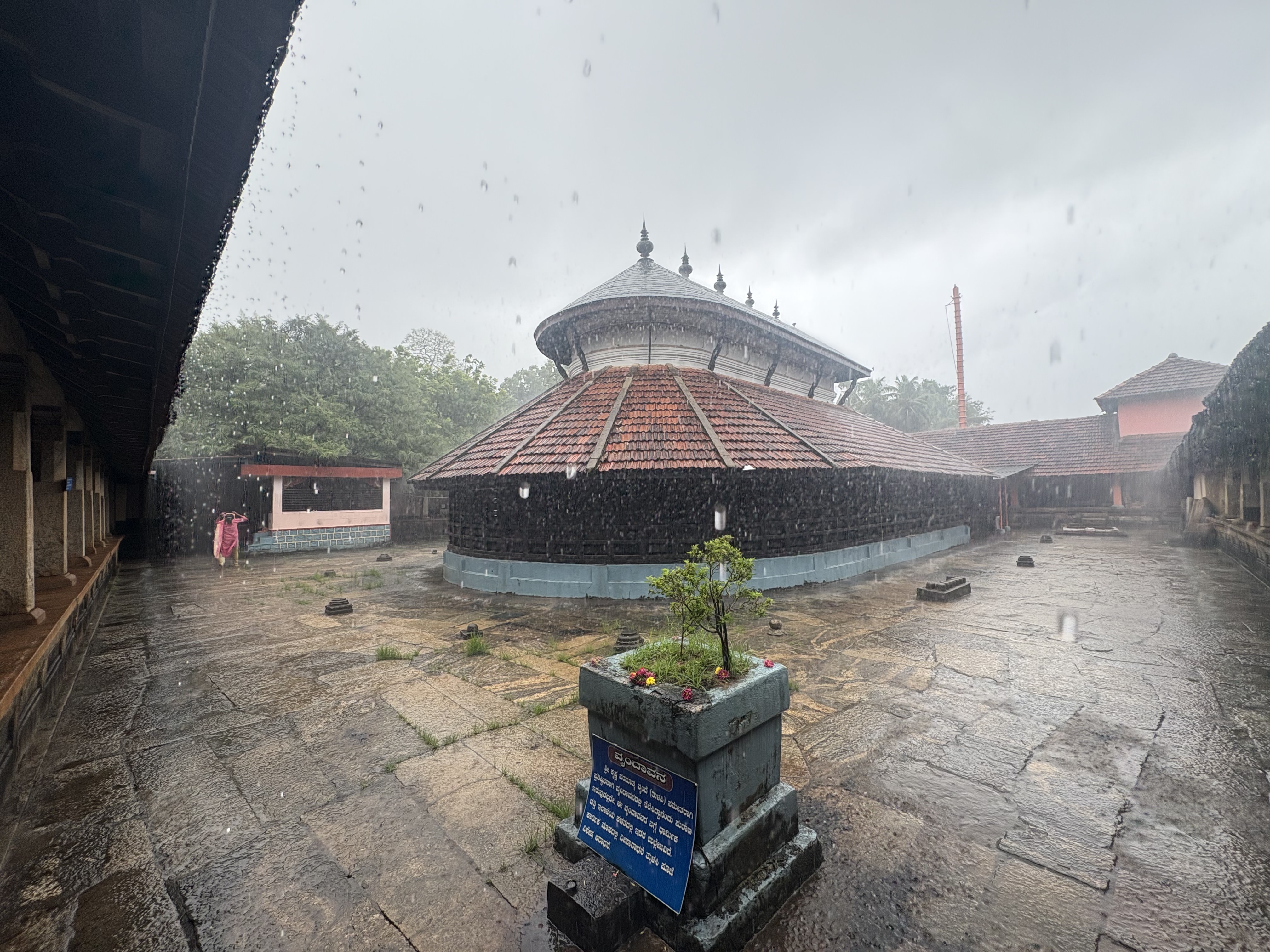
Mahatobhara Shree Panchalingeshwara Temple, Barkur
The spiritual heart of the forgotten capital of Tulu Nadu.
At the heart of Barkur, the forgotten capital of Tulu Nadu, stands its largest and most revered monument — the Mahatobhara Shree Panchalingeshwara Temple. Dedicated to Lord Shiva, it is among the oldest surviving structures in the town and occupies a central place in Barkur's religious and historical heritage. The name Panchalingeshwara means "Lord of the Five Lingas", and the temple draws its significance from the five Shiva lingas enshrined within the complex.
Set on the banks of the River Sita a short way from Brahmavara and about 20 kilometres from Kundapura, the temple is renowned for its five sacred lingas, its grand double-storied entrance gateway, stone-pillared corridors, intricate carvings, ancient inscriptions and a distinctive elephant-back-shaped rear sanctum. Around it, scattered across the temple ground, lies one of the richest open-air collections of inscribed stones and hero-stones on the coast.
The temple takes its name from the five Shiva lingas worshipped within — pancha ("five") and lingeshwara ("the Lord of the linga"). The five together are understood as the fullness of Shiva, present in every direction and every element, which is why devotees regard worship here as especially complete.
The legend of the five lingas
The most widely told story of the temple speaks of the divine manifestation of Lord Shiva in five forms. According to local tradition, the five lingas symbolise Shiva's omnipresence in the five cosmic elements — the Pancha Bhuta. Devotees believe that worshipping all five grants spiritual purification and balances the elemental energies within the body, an interpretation that has made Panchalingeshwara an important pilgrimage destination for Shaivites across coastal Karnataka.
Stories of its origin
Like all great temples, Panchalingeshwara has gathered many traditions about how the five lingas came to be. They are held side by side, each cherished by the community.
The Pandava legend
The Pandavas, during their exile, are said to have done penance on the Sita's banks and installed five lingas — one for each brother.
The Alupa royal legend
An Alupa king, granted a vision of Shiva, is said to have raised the five lingas as spiritual guardians of his capital.
The Swayambhu tradition
Many elders hold that the lingas were never installed by human hands, but emerged from the earth — self-manifested, or Swayambhu.
The five elements
The most enduring reading: the five lingas as the five cosmic elements, the whole of creation gathered in one sanctum.
Each linga in the Pandava tradition is associated with one of the five brothers — Yudhishthira, Bhima, Arjuna, Nakula and Sahadeva. Similar Panchalinga traditions across Karnataka are also linked to the Pandavas, and though no historical evidence confirms the account, the story remains deeply embedded in local religious life. Likewise, the Alupas are said to have offered special worship here before military campaigns and major state ceremonies, treating the five lingas as the protectors of the realm.
The sanctum and the elephant-back shrine
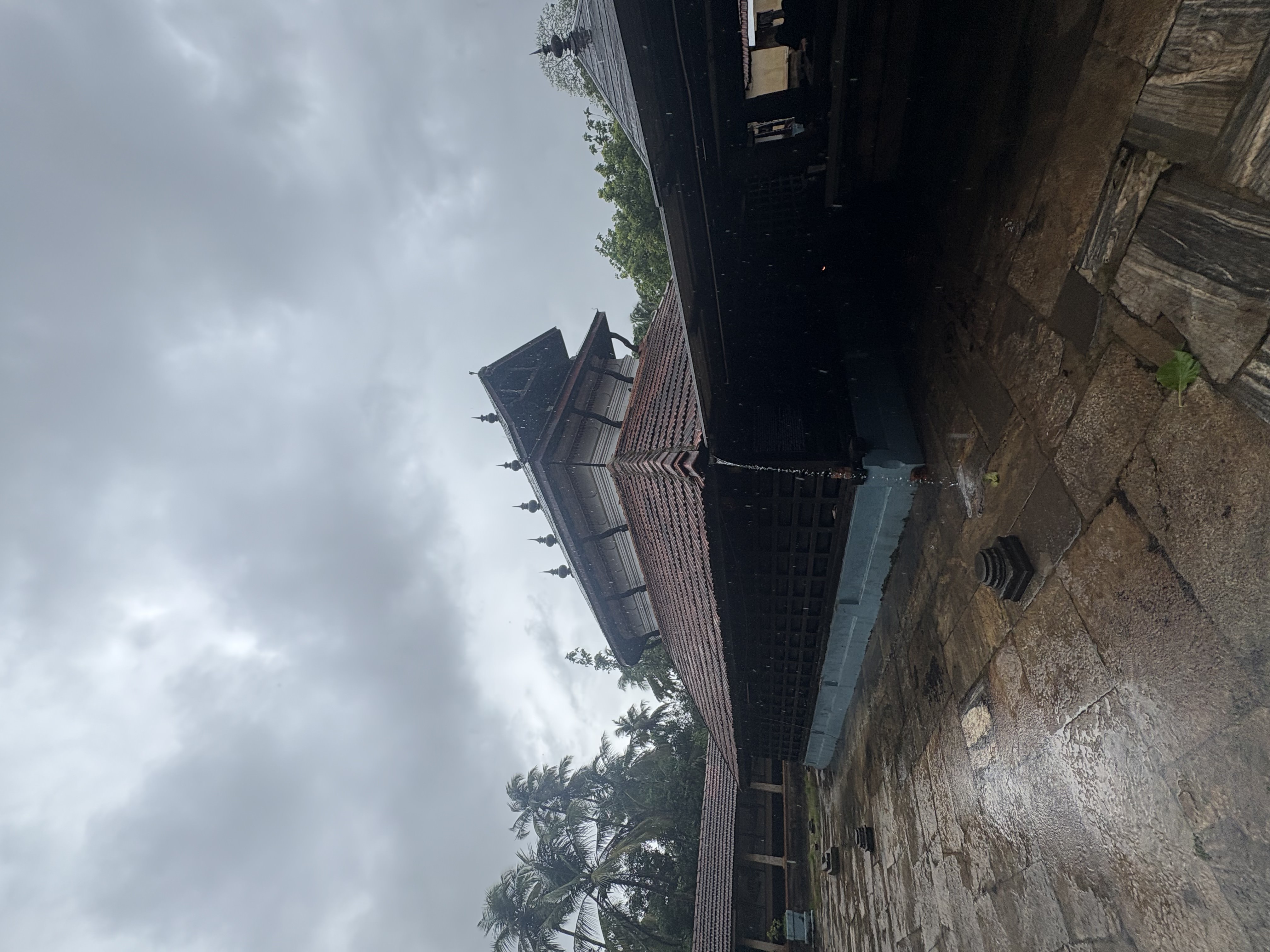
The temple showcases a fascinating blend of Alupa, Hoysala and Vijayanagara influences. Its most distinctive feature is the elephant-back sanctum — the rear of the shrine carries a curved form resembling the back of an elephant, a rare architectural feature in coastal Karnataka. Above it rises a tall conical roof, tiled against the monsoon in the manner typical of the coast, crowned with a row of finials.
A coastal sanctum built for the rain
Unlike the towering gopurams of the Tamil plains, Panchalingeshwara wears the coast's own idiom — black-stone walls, a steep tiled roof shedding heavy monsoon water, and a circumambulatory corridor running around the sanctum.
The arrangement of the five lingas is understood to symbolise cosmic harmony and the integration of divine energies, with the layout itself treated as sacred.
The gateway and carved pillars
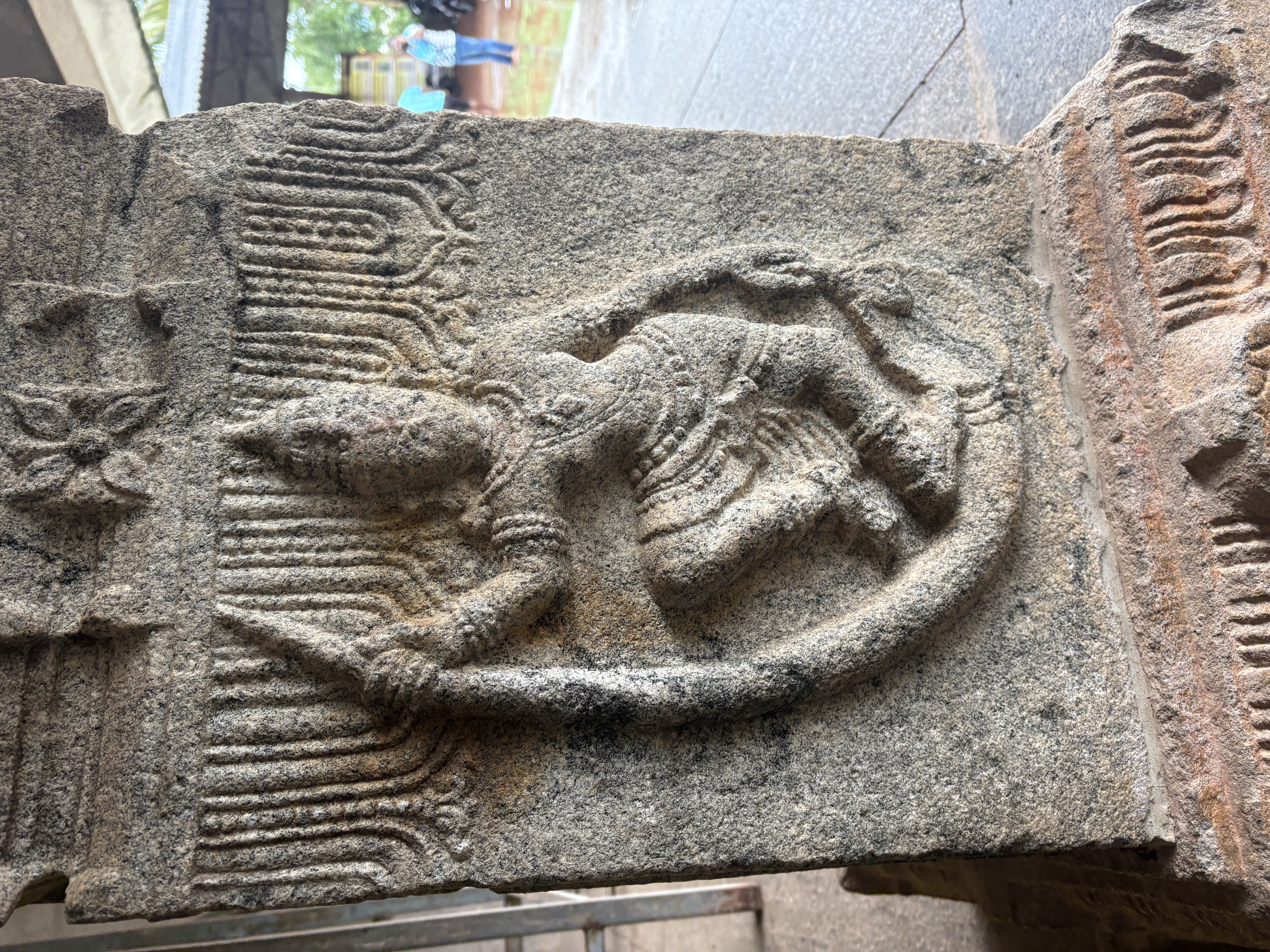
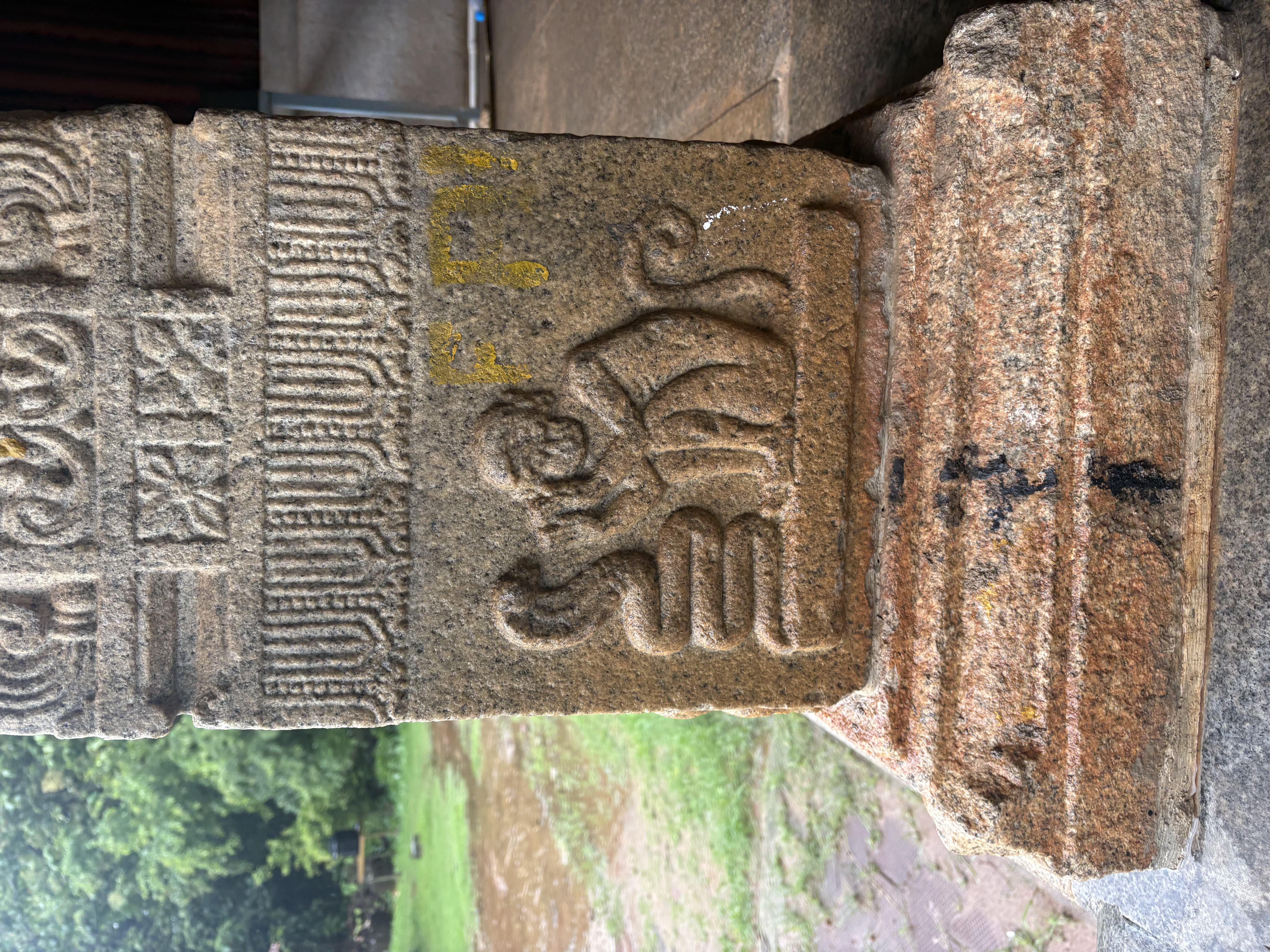
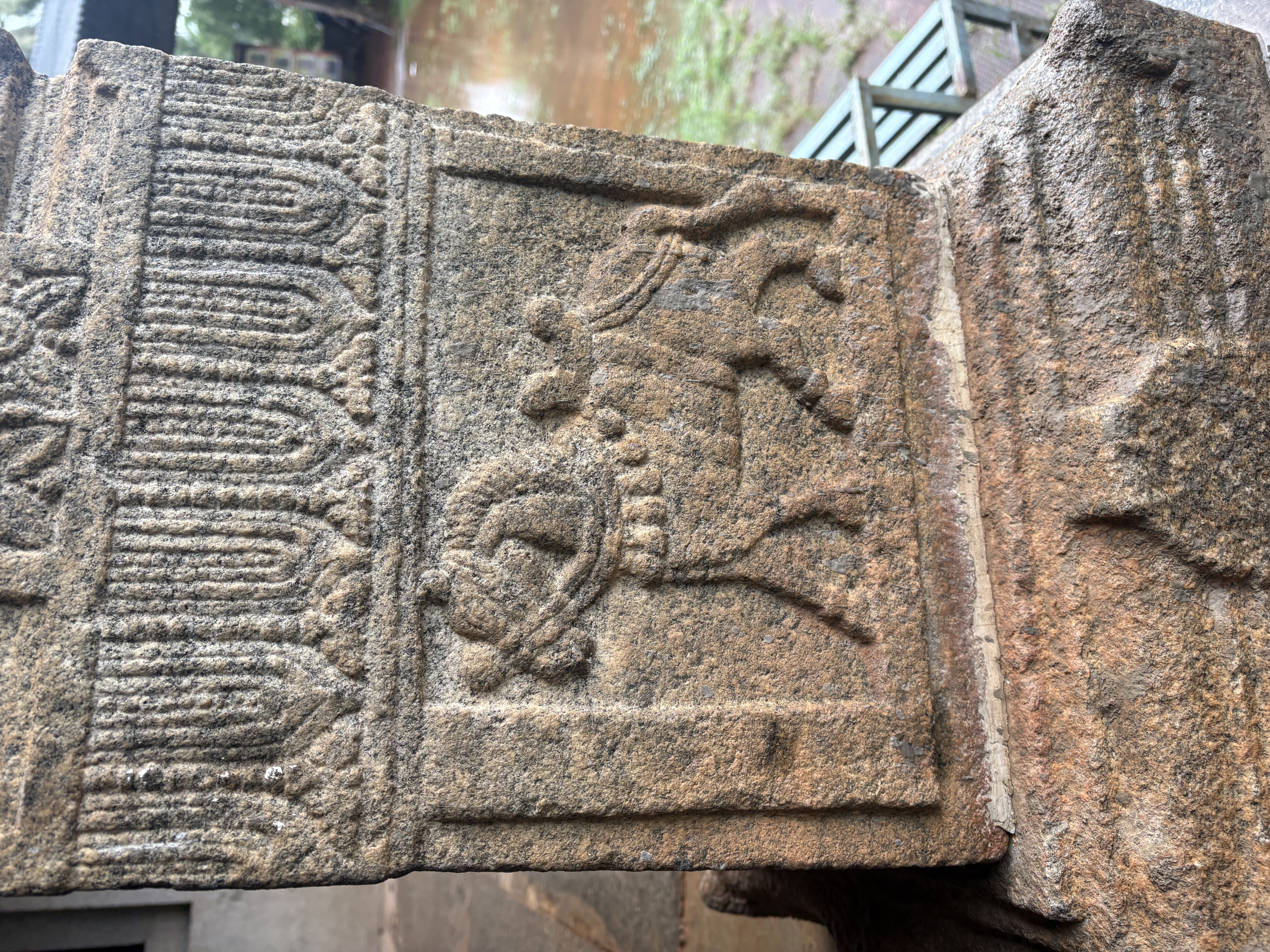
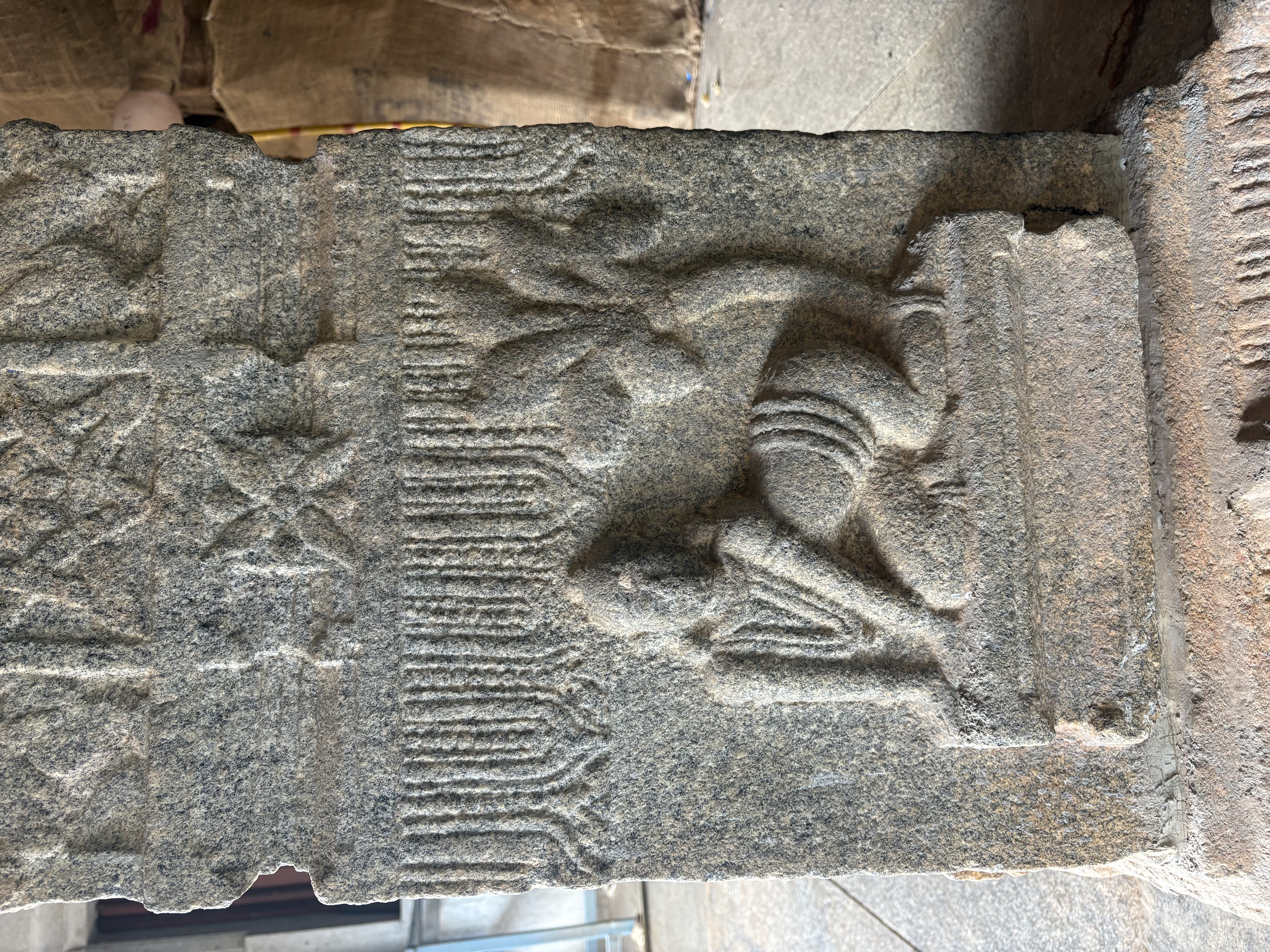
The entrance is marked by a double-storied gateway, one of Barkur's architectural landmarks, whose upper level was likely used for ceremonial and defensive purposes. Within, the circumambulatory corridor is lined with beautifully carved stone pillars depicting gods and goddesses, celestial beings, mythological scenes and floral motifs. Many of these carvings survive in remarkable detail, telling stories in stone to anyone who pauses to read them.
The dhvajastambha and the courtyard
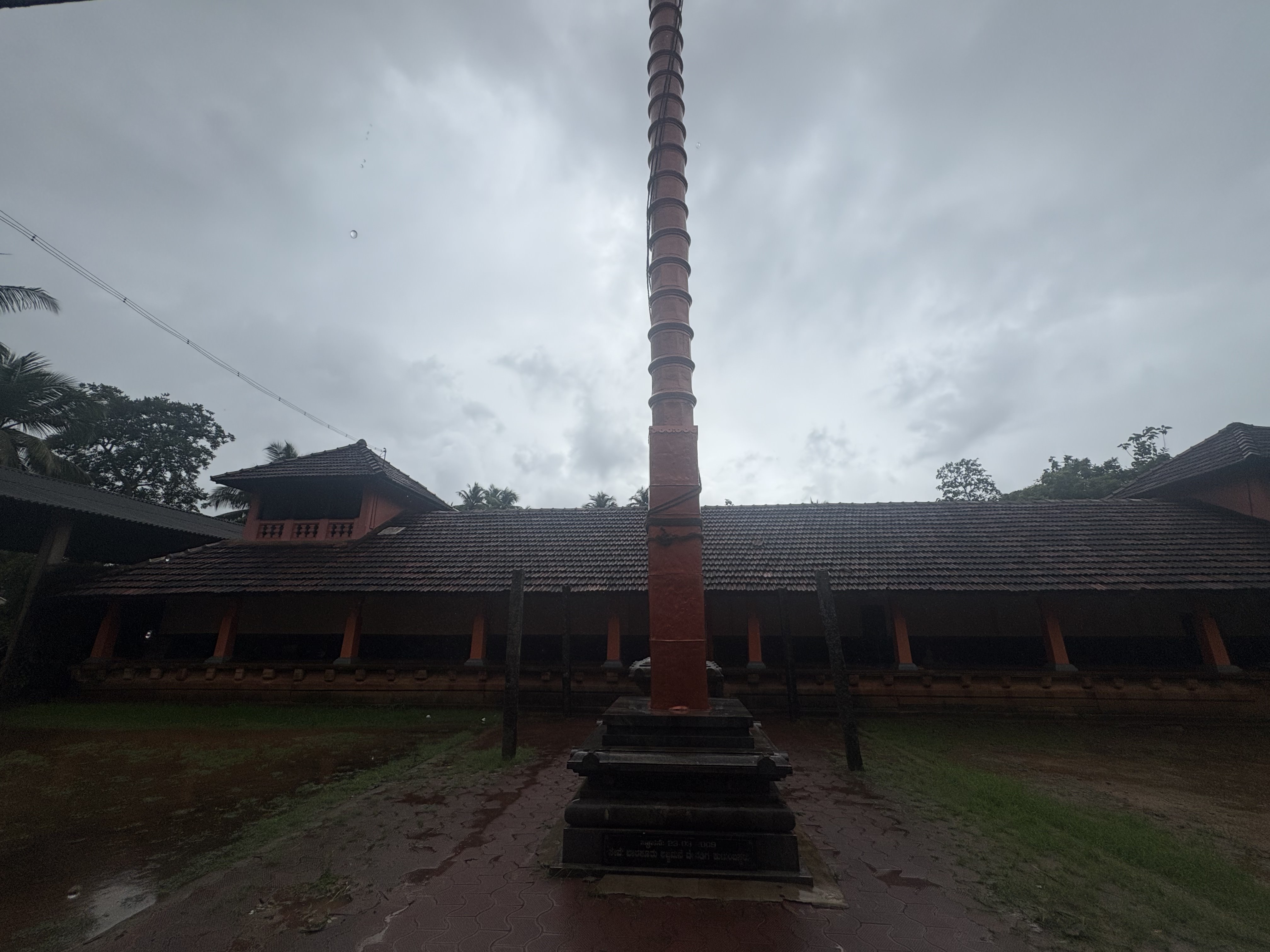
Before the shrine rises the temple's tall dhvajastambha, the flagstaff that marks the sacred axis of the temple. Sheathed in copper and ringed with bands, it stands at the centre of the open courtyard, flanked by the long pillared halls and tiled-roof prakara that enclose the complex.
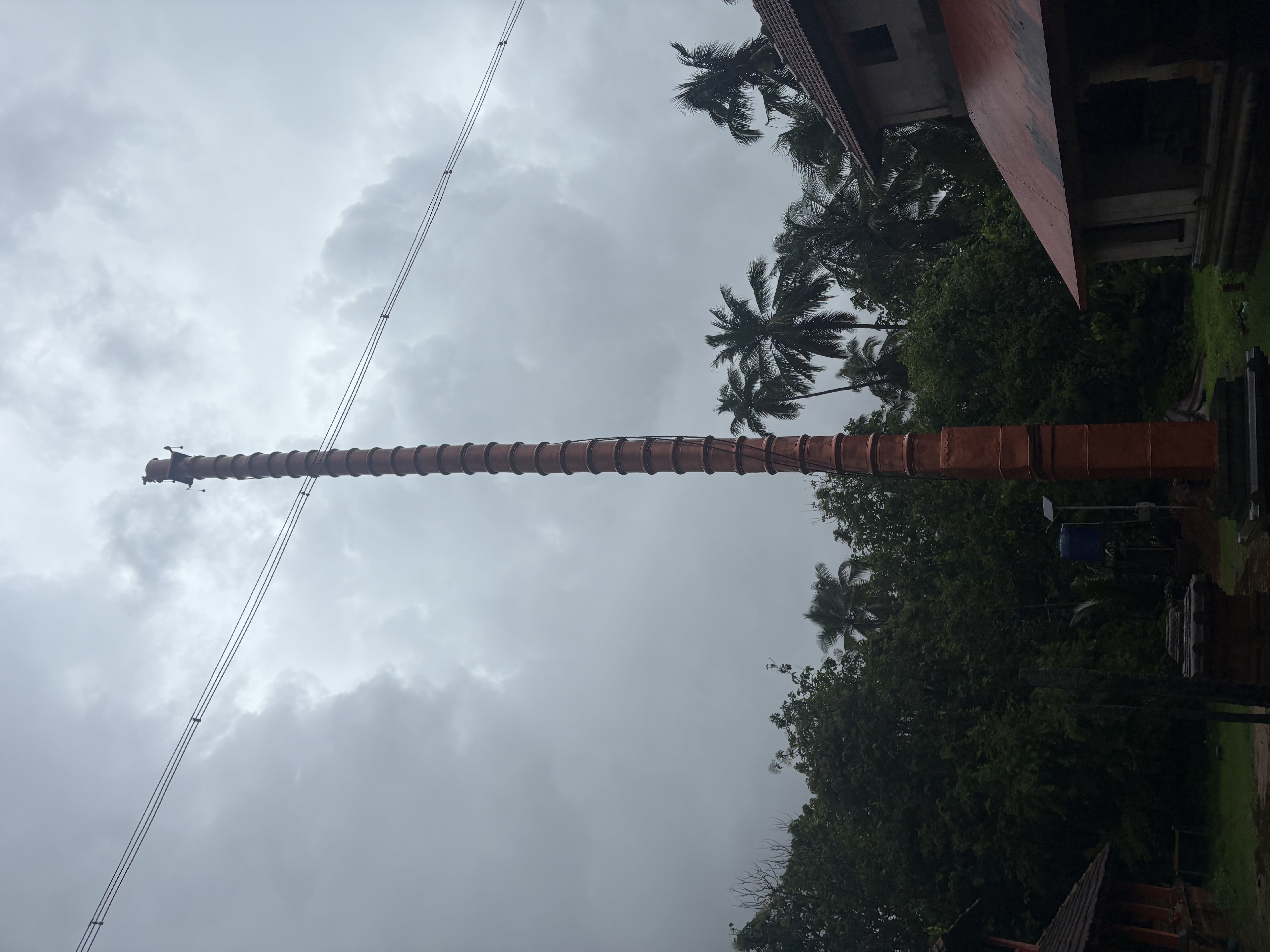
The flagstaff is the focal point of the temple's great processions, when the festival flag is hoisted to open the celebrations. Around it, the wide flagstone courtyard fills with devotees during the temple's annual events.
The surrounding pillared halls, with their sloping tiled roofs carried on rows of stone and timber columns, are characteristic of the coast — built low and broad to weather the monsoon rather than to soar.
The deities and shrines around
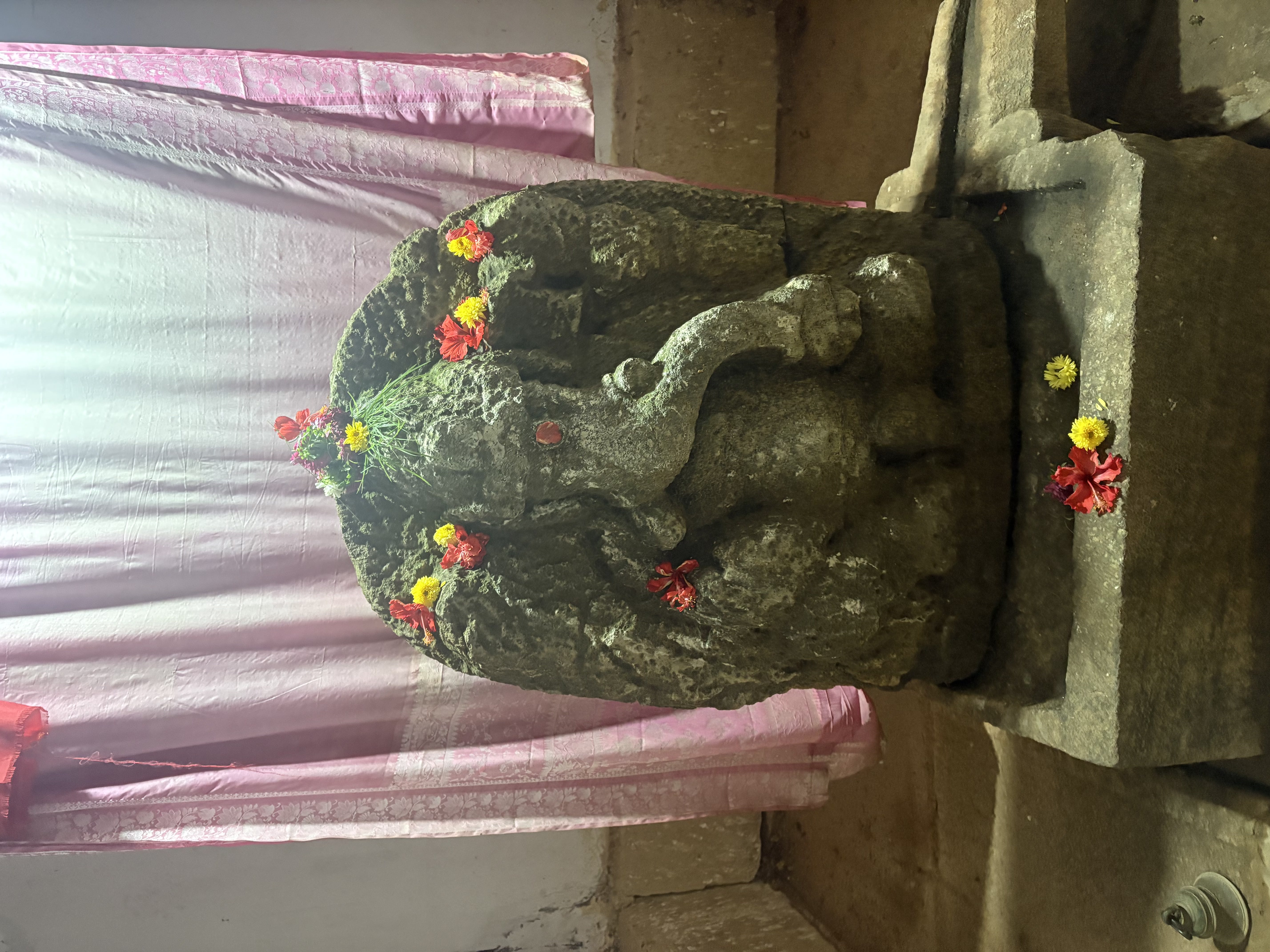
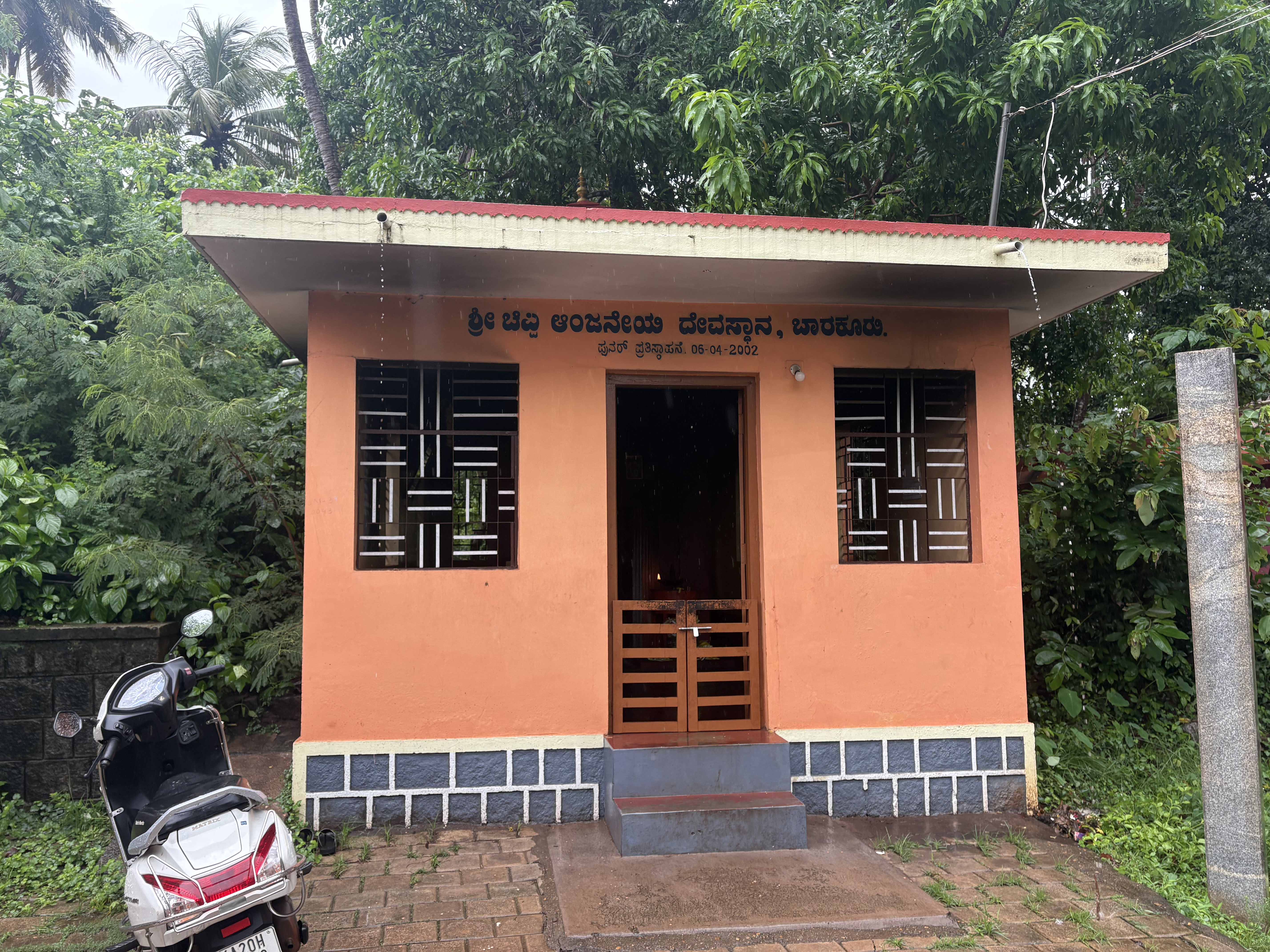
Beyond the five lingas, the complex and its surroundings hold several older shrines. Among them is an ancient, deeply weathered image of Ganapathi, still in daily worship, and — just outside the temple — the Chippi Anjaneya (Hanuman) shrine, a reminder of the cluster of devotional sites that grew up around the great temple.
Inscriptions & hero-stones
Few temples on the coast carry their history so visibly. Gathered across the temple ground stands a remarkable open-air collection of inscribed stones (shasanas) and hero-stones (veeragallu) — tall granite slabs and pillars covered in old Kannada script, memorial stones carved with figural panels, and stones bearing the sun, moon, linga and Nandi that mark sacred grants. Together they record gifts, victories, deaths in battle and the long life of the town, and many are among the earliest historical records of Tulu Nadu.
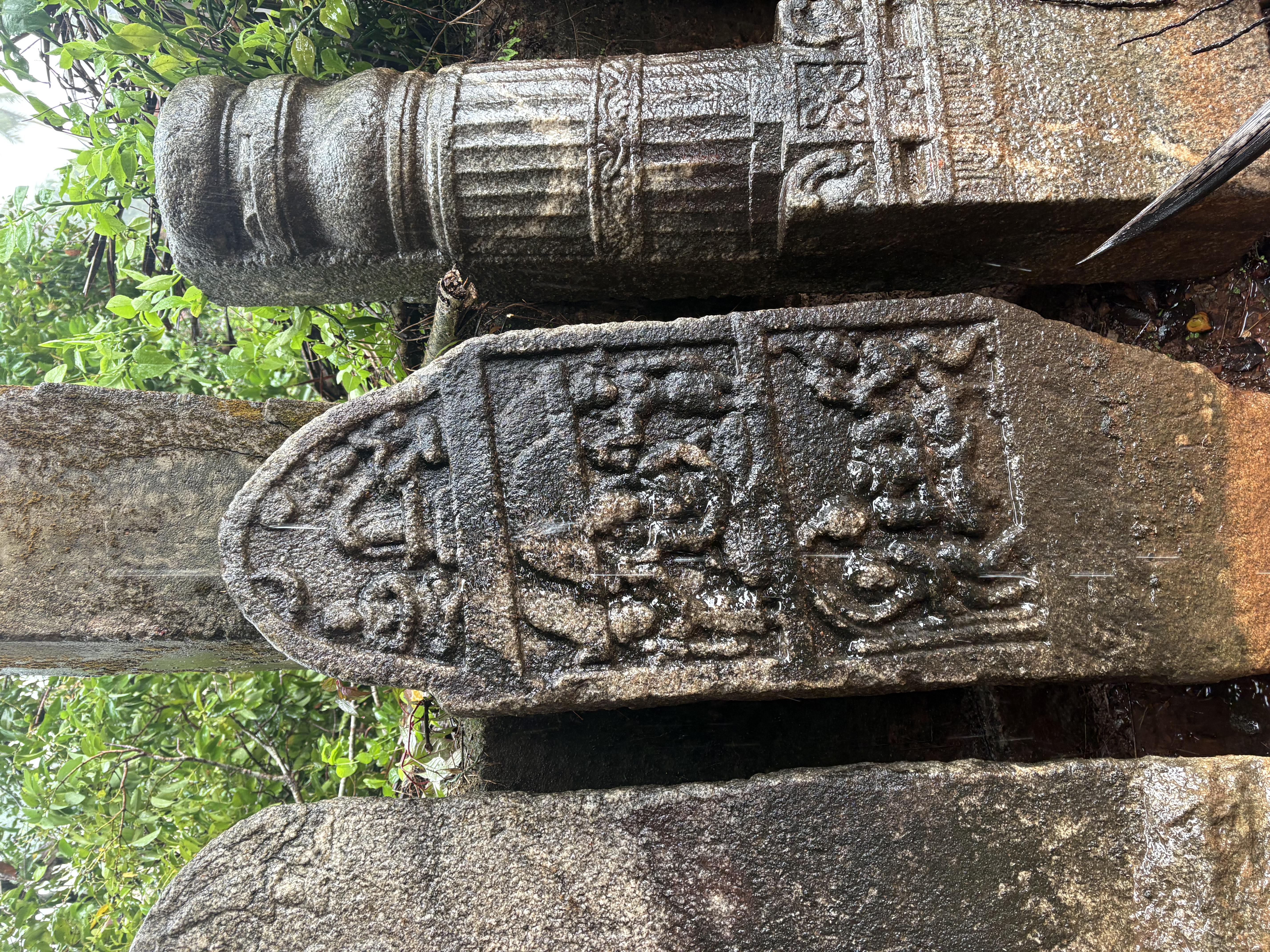
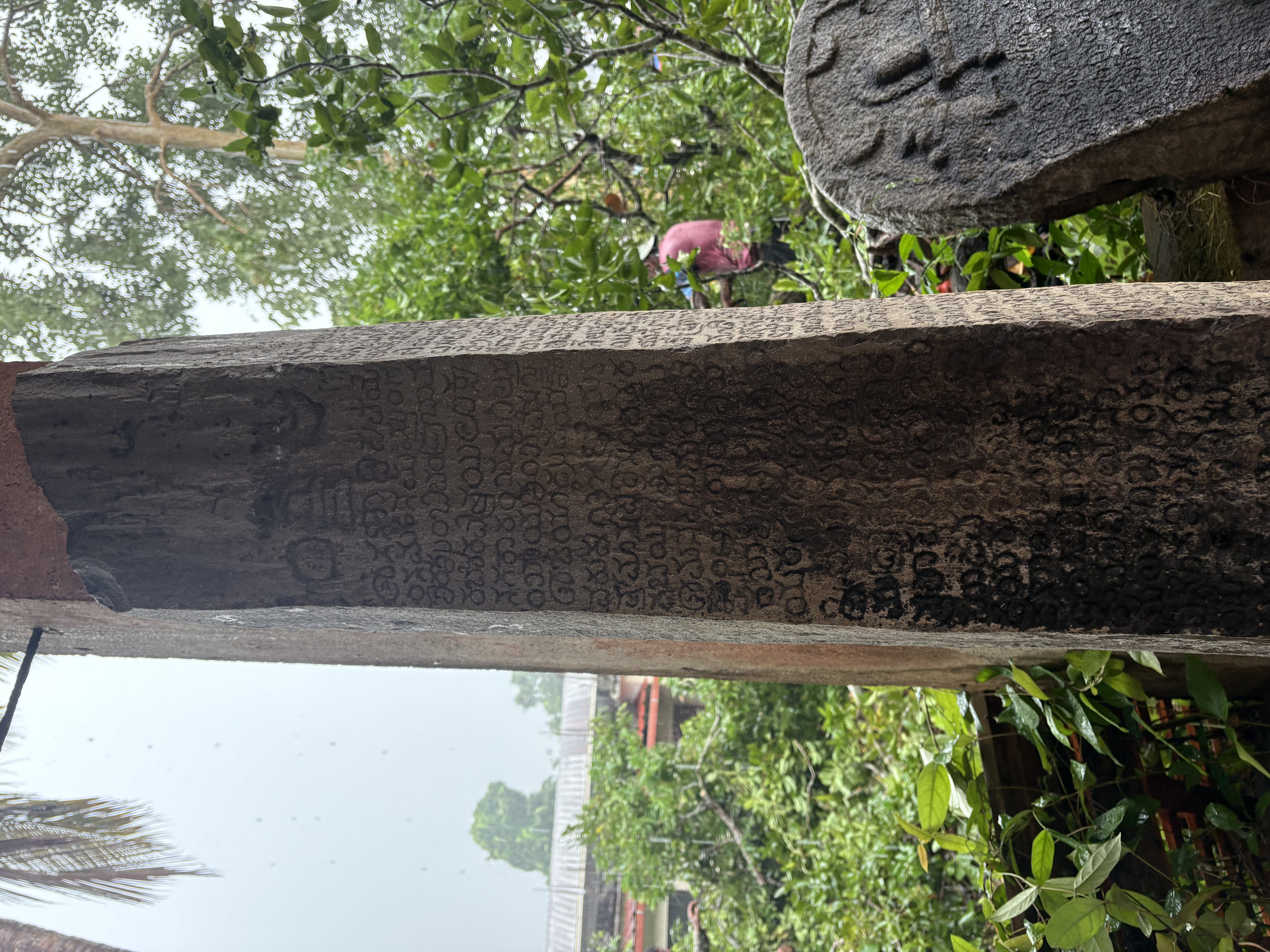
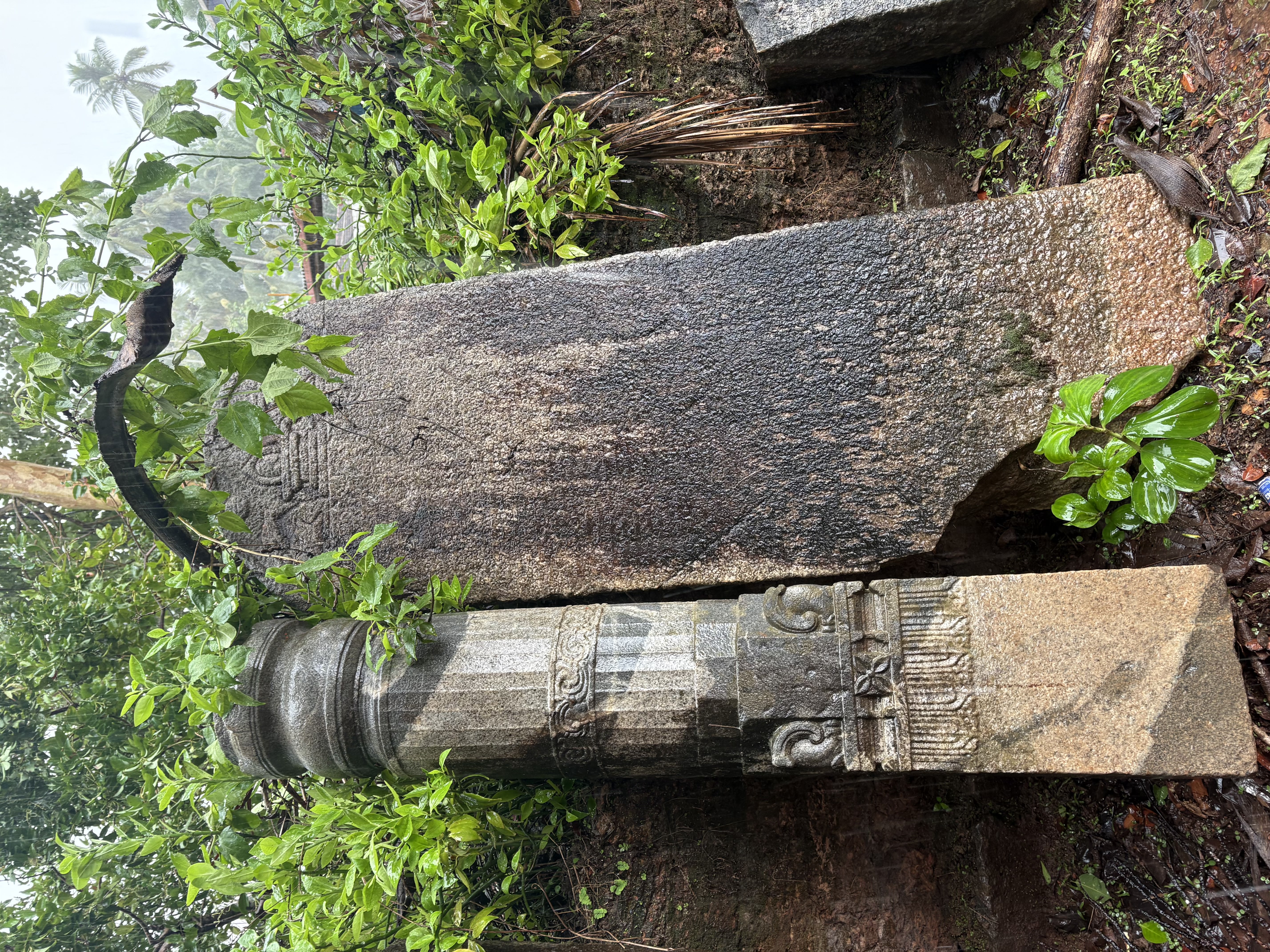
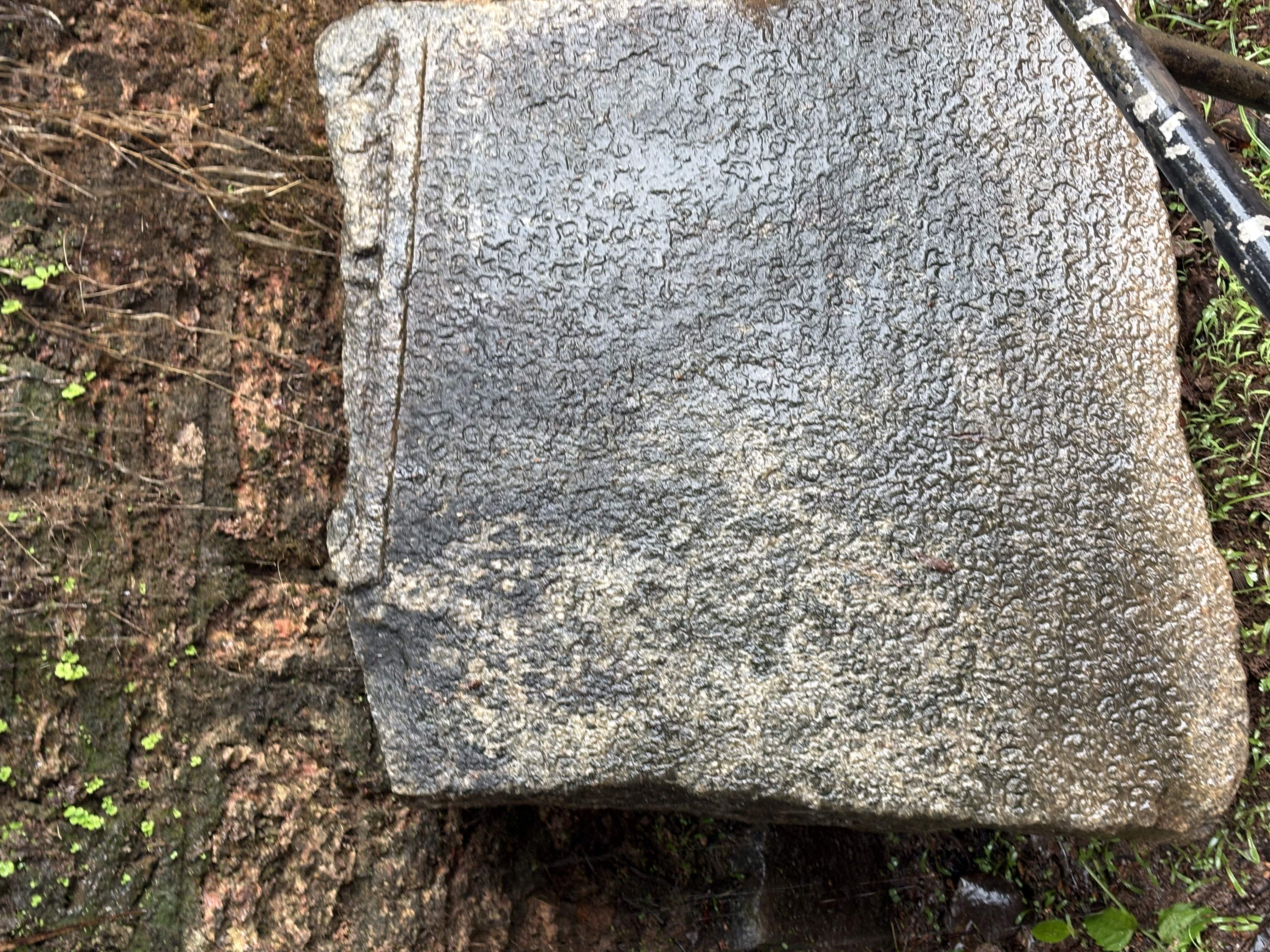
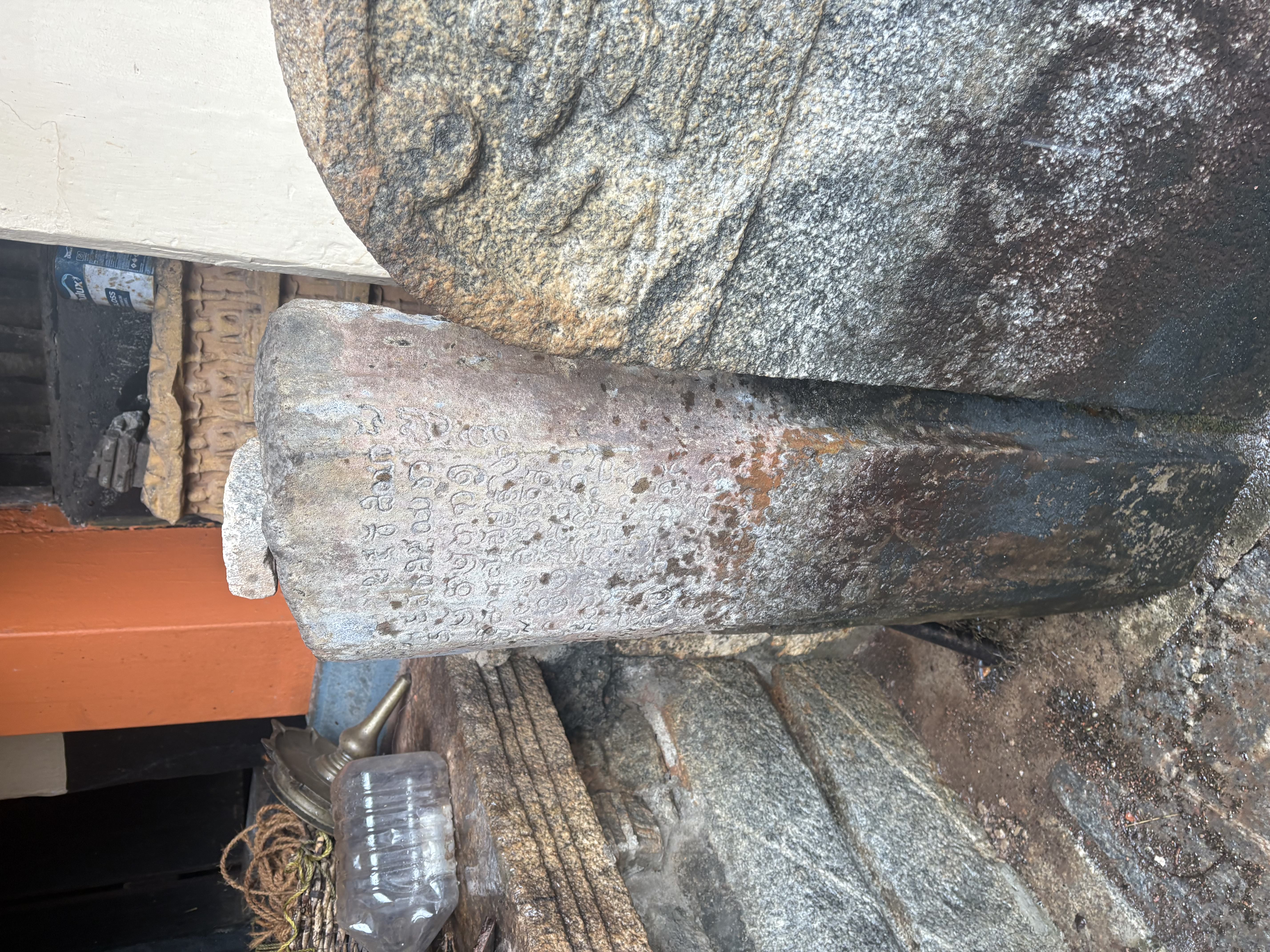
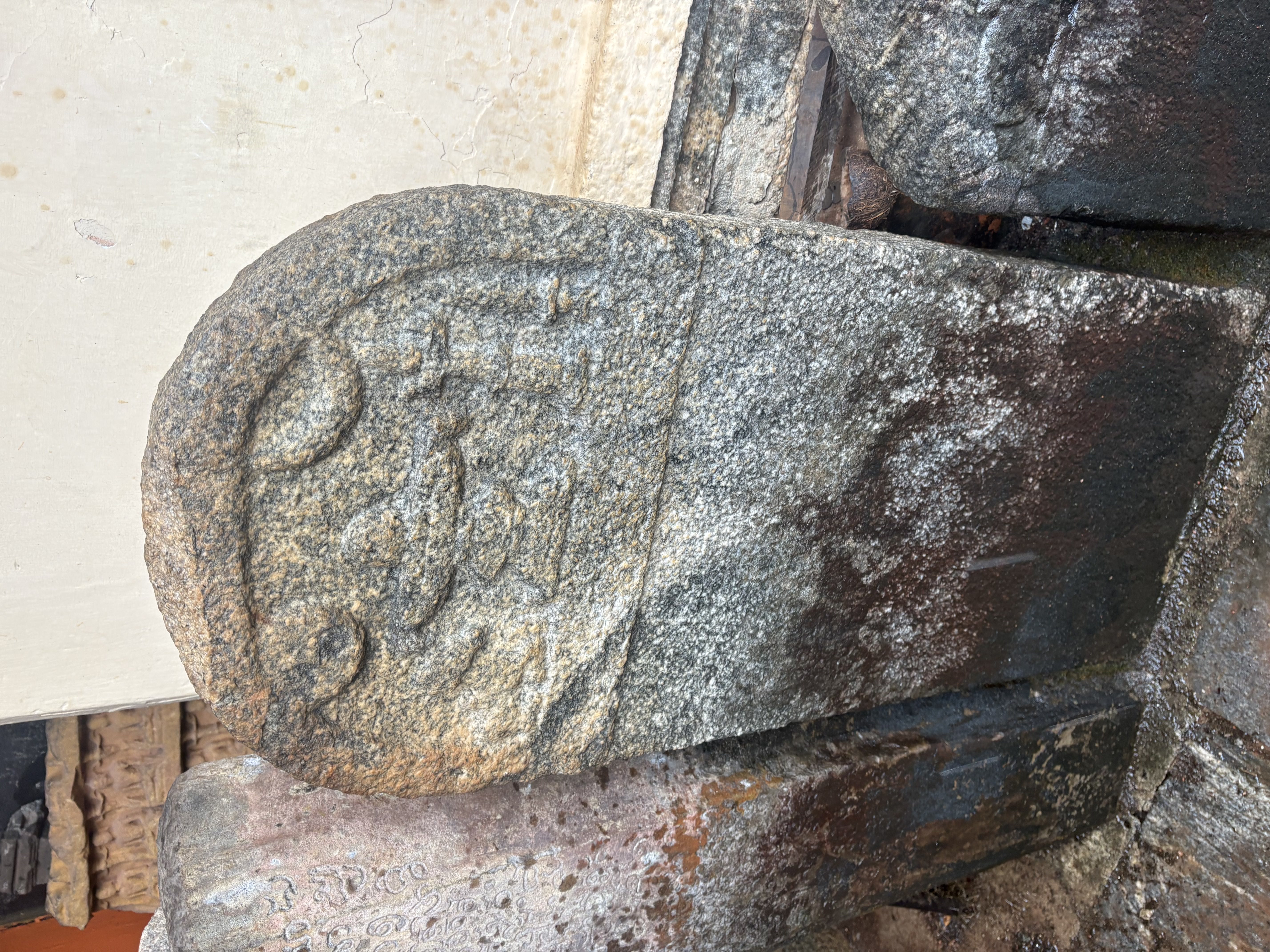
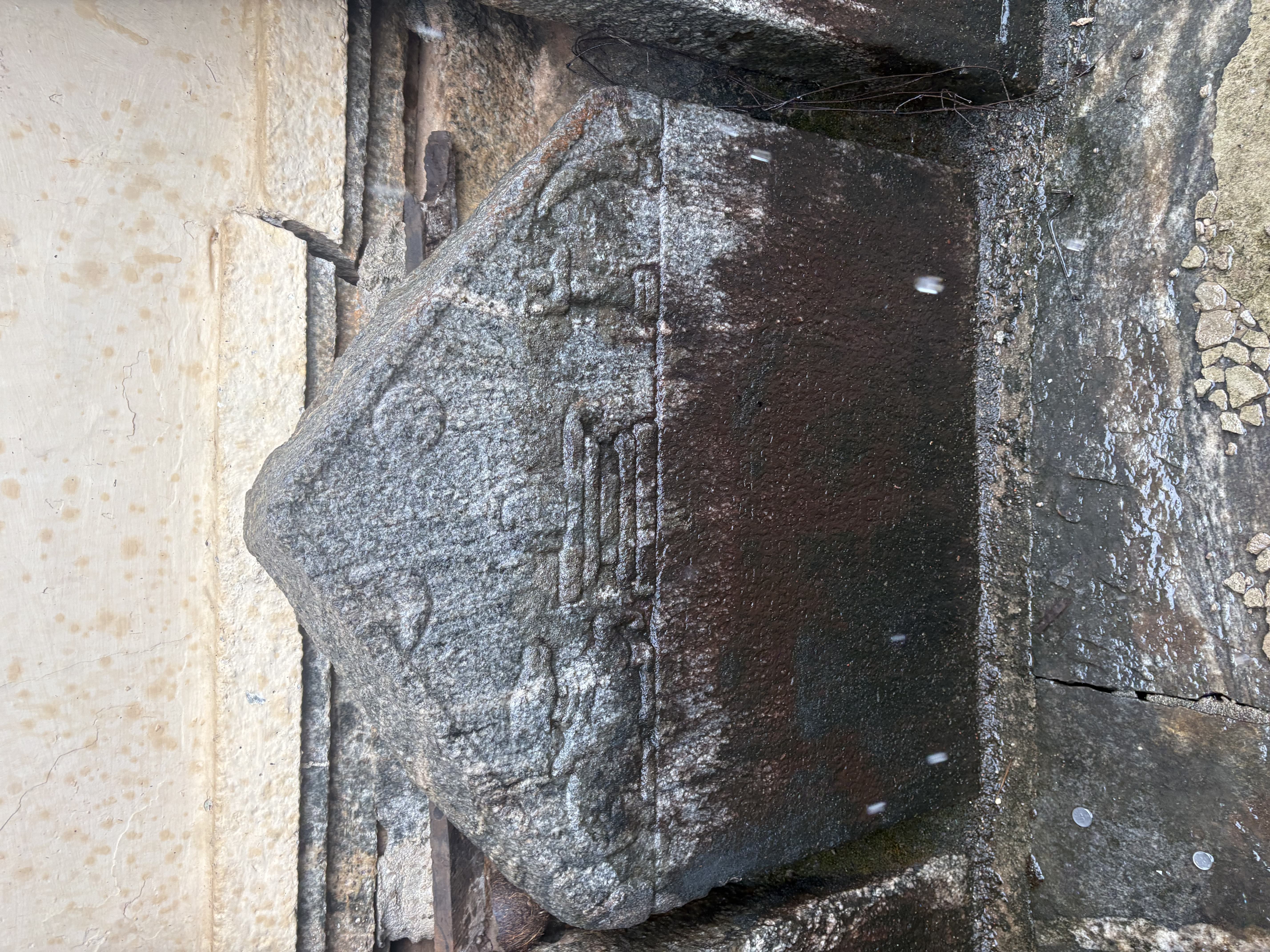
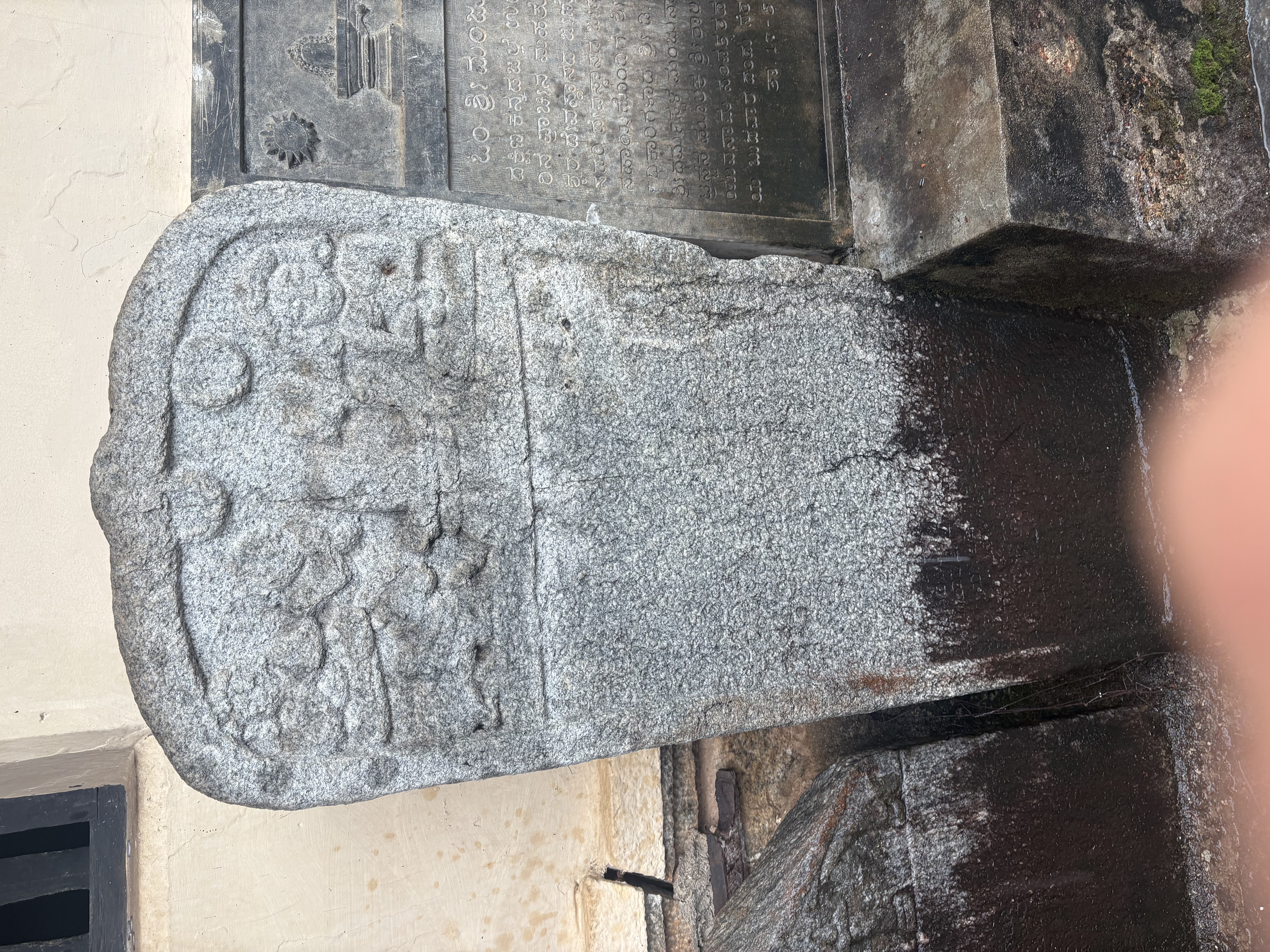
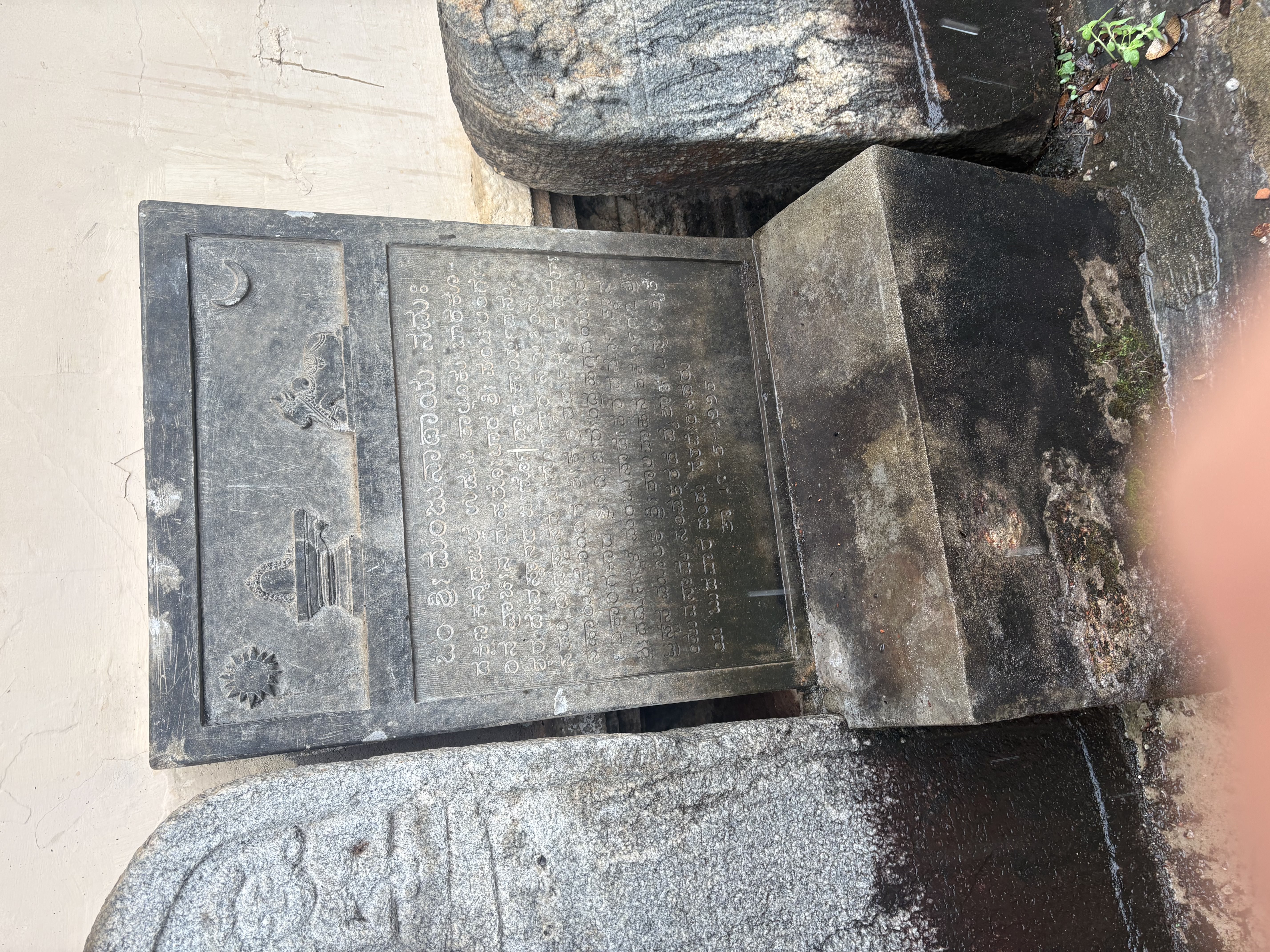
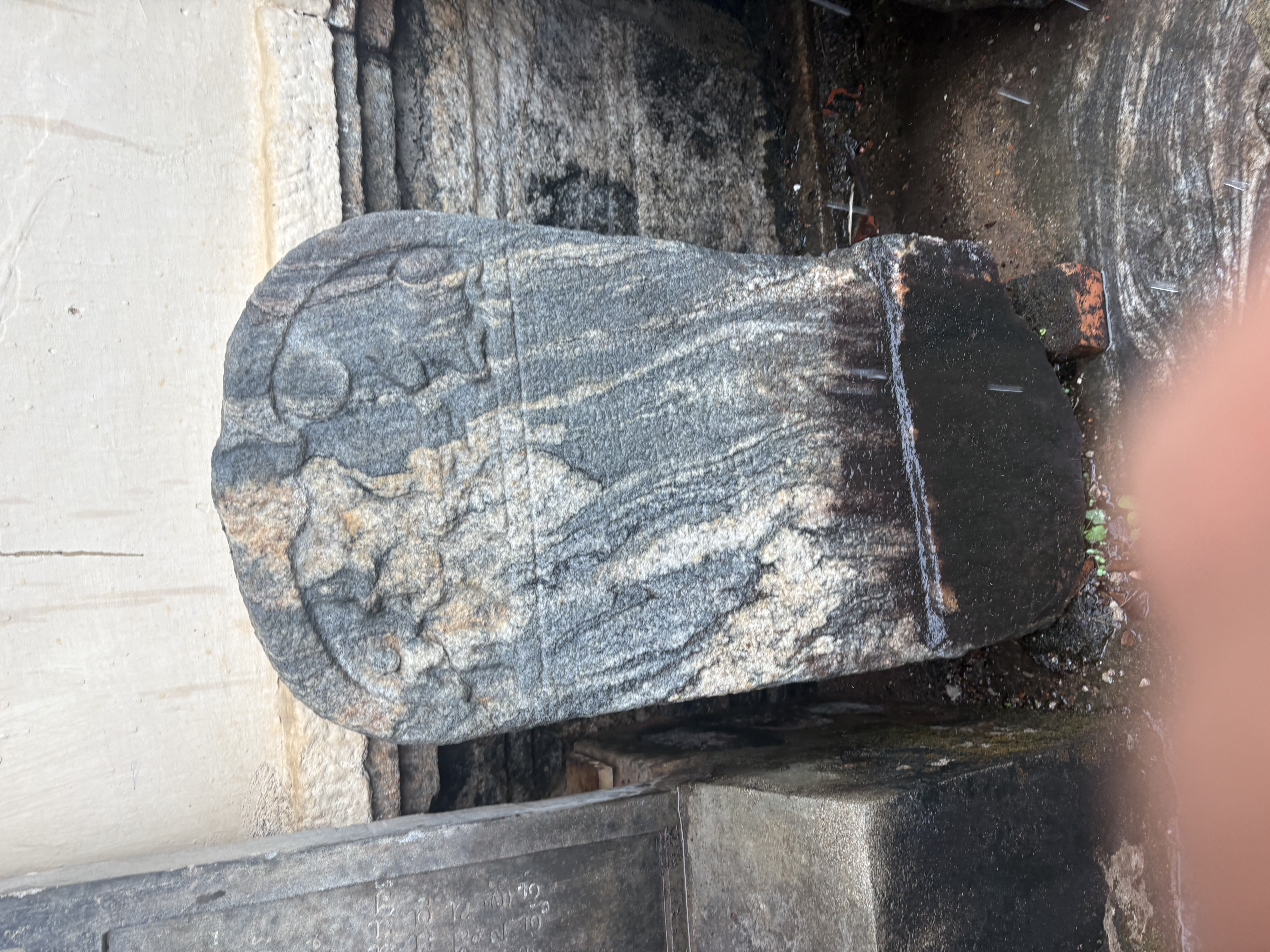
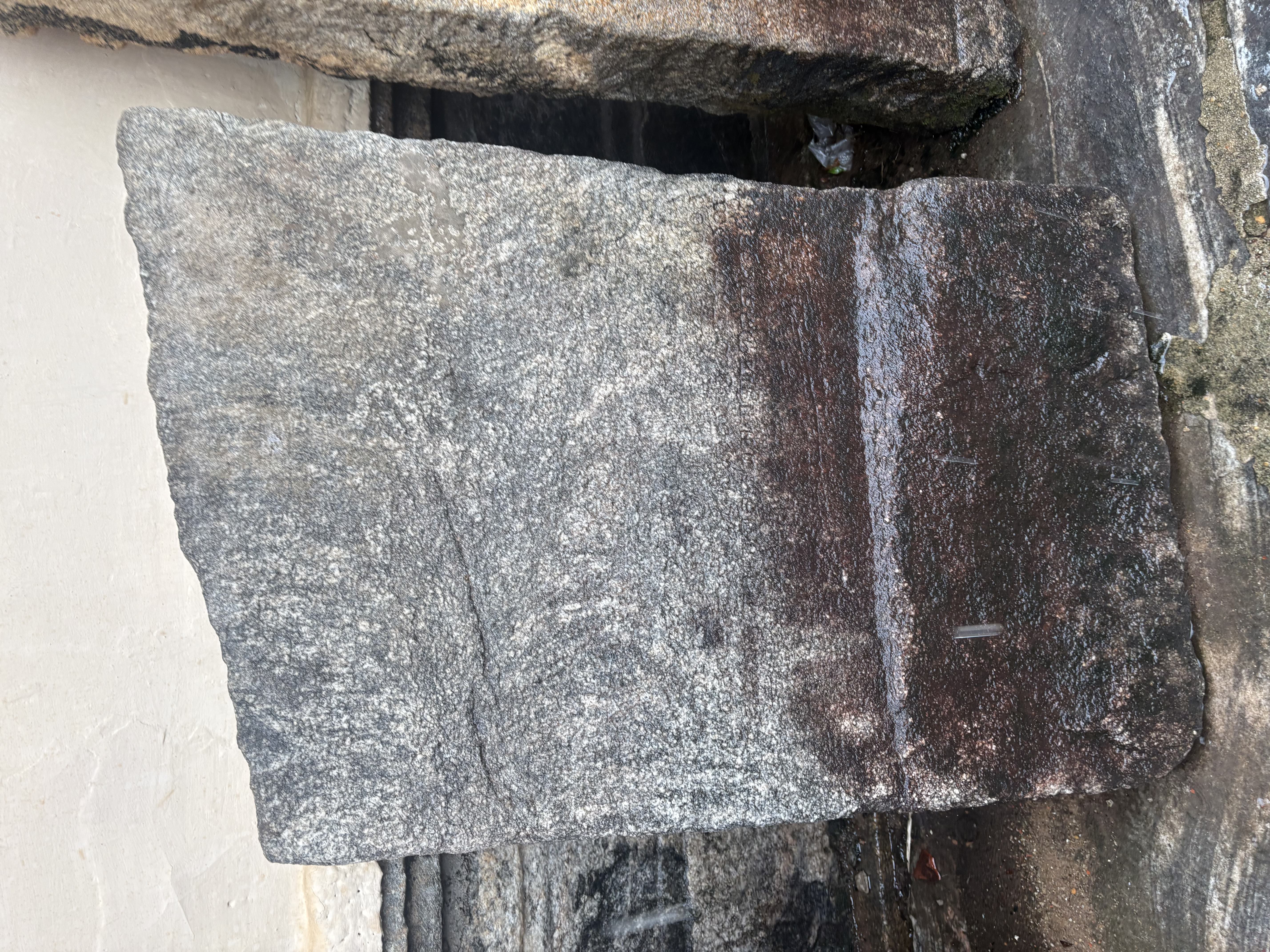
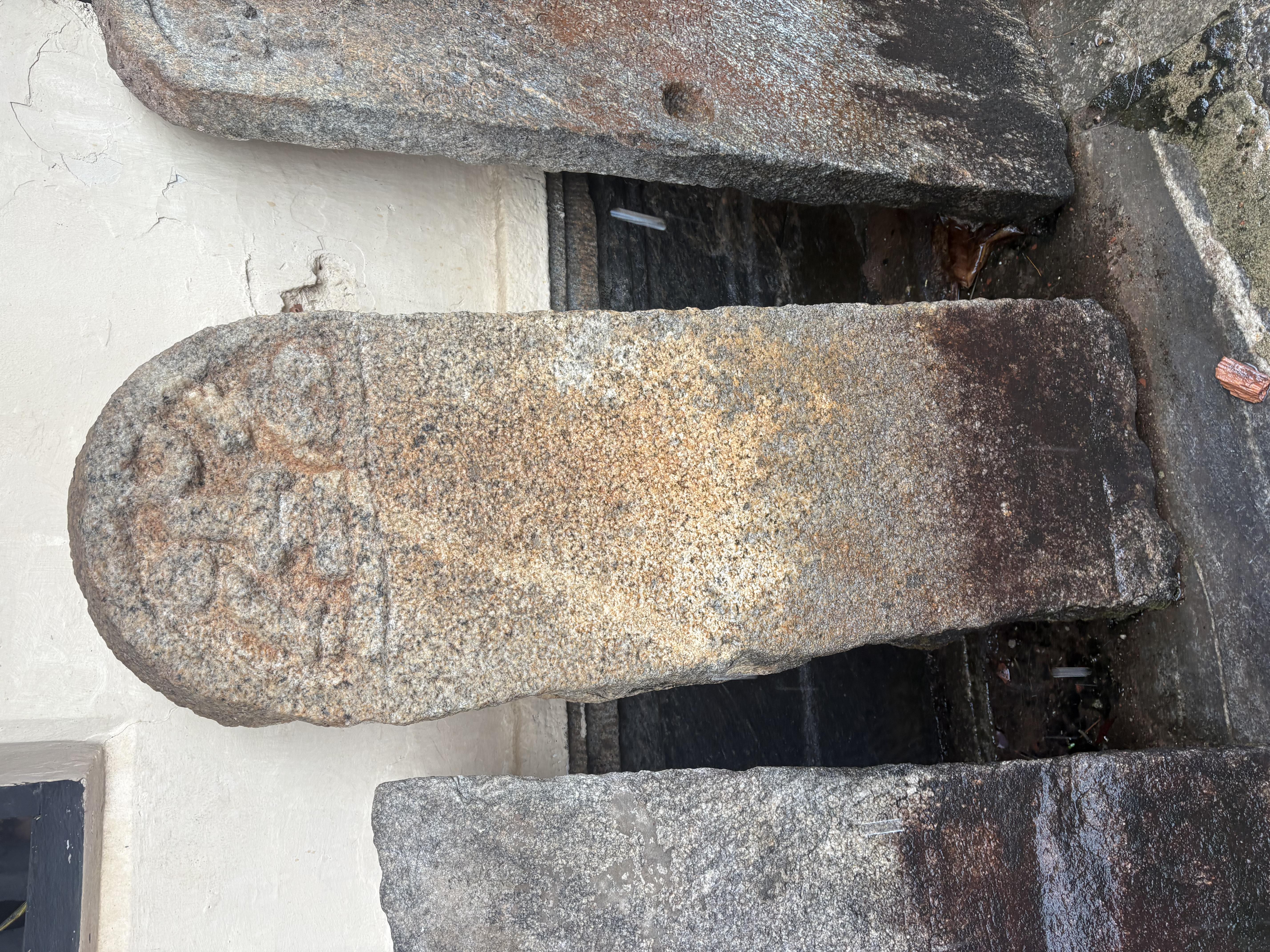
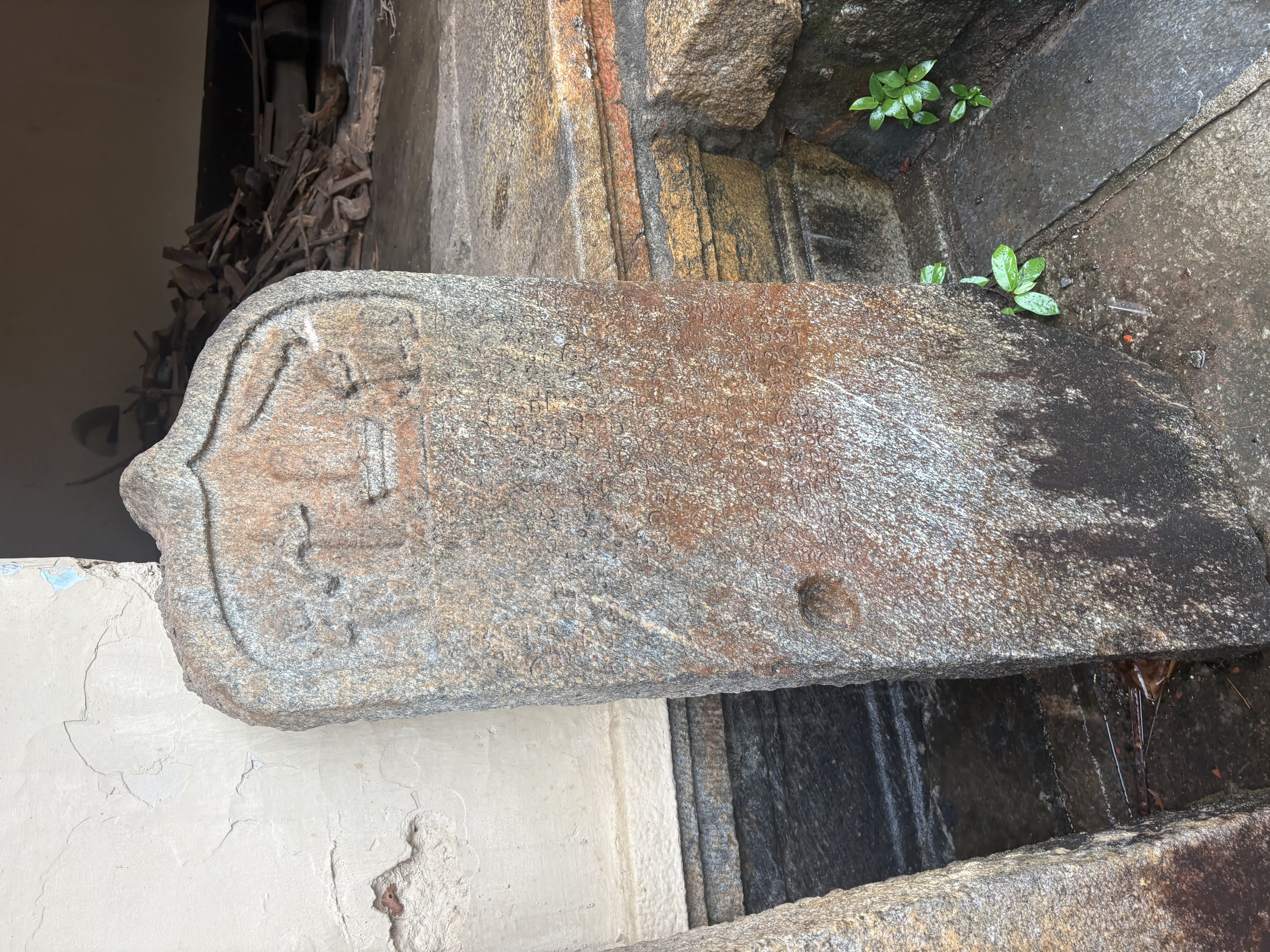
These stones are fragile and many remain unread; they are presented here for cultural and educational reference. Specialist epigraphists continue to study and date them.
Festivals at the temple
Panchalingeshwara remains an active centre of worship and hosts several important festivals through the year.
| Festival | What happens |
|---|---|
| Maha Shivaratri | The most significant annual celebration — night-long prayers, abhisheka ceremonies, bhajans and cultural programmes draw thousands of devotees. |
| Kartika Maasa | Through the holy month, special rituals and lamp-lighting ceremonies fill the temple with light. |
| Annual Rathotsava | The temple chariot festival, when the deity is taken in procession through Barkur's historic streets, recreating centuries-old tradition. |
Because the lingas are revered as Swayambhu, devotees regard the temple as a powerful spiritual centre where prayers are answered quickly — a belief that continues to draw pilgrims from Udupi, Kundapura, Mangaluru and the neighbouring districts.
The spiritual heart of Barkur
Whether viewed through history, archaeology, architecture or faith, the Panchalingeshwara Temple embodies the enduring legacy of Barkur. Its five sacred lingas continue to inspire devotion and curiosity, just as they did when the Alupas ruled the coast.
Visiting the temple
The temple lies in Barkur, about 20 km from Kundapura and a few kilometres from Brahmavara, reached easily off National Highway 66. It can be visited together with Barkur's other monuments — the Kathale Basadi and the ruins of the Alupa and Vijayanagara forts — making for a half-day of unhurried heritage exploration. The monsoon (June–September) drapes the courtyard and its stones in dramatic rain and deep green; the dry season (October–February) is the easiest time to walk the grounds and read the carvings.
Conclusion
The Mahatobhara Shree Panchalingeshwara Temple is far more than a place of worship. It is a living archive of Barkur's thousand-year story — a Shaiva sanctuary built in the coast's own idiom, surrounded by the inscribed stones that remember its kings, donors and heroes. As conservation efforts gather momentum and Barkur slowly reclaims its place among Karnataka's heritage destinations, the five lingas at its heart remain what they have always been: the spiritual centre of the forgotten capital of Tulu Nadu.
See also
References & notes
- Compiled article: "Barkur — The Forgotten Capital of Coastal Karnataka and the Legacy of Panchalingeshwara Temple."
- Alupa, Hoysala and Vijayanagara history of coastal Karnataka; Barkur inscriptions and archaeological surveys.
- Photographs of the temple, its carvings and the surrounding inscribed stones were contributed for educational and cultural reference, not for commercial purposes.
Temple timings, festival dates and the rituals performed vary by season — verify locally before planning a visit.